

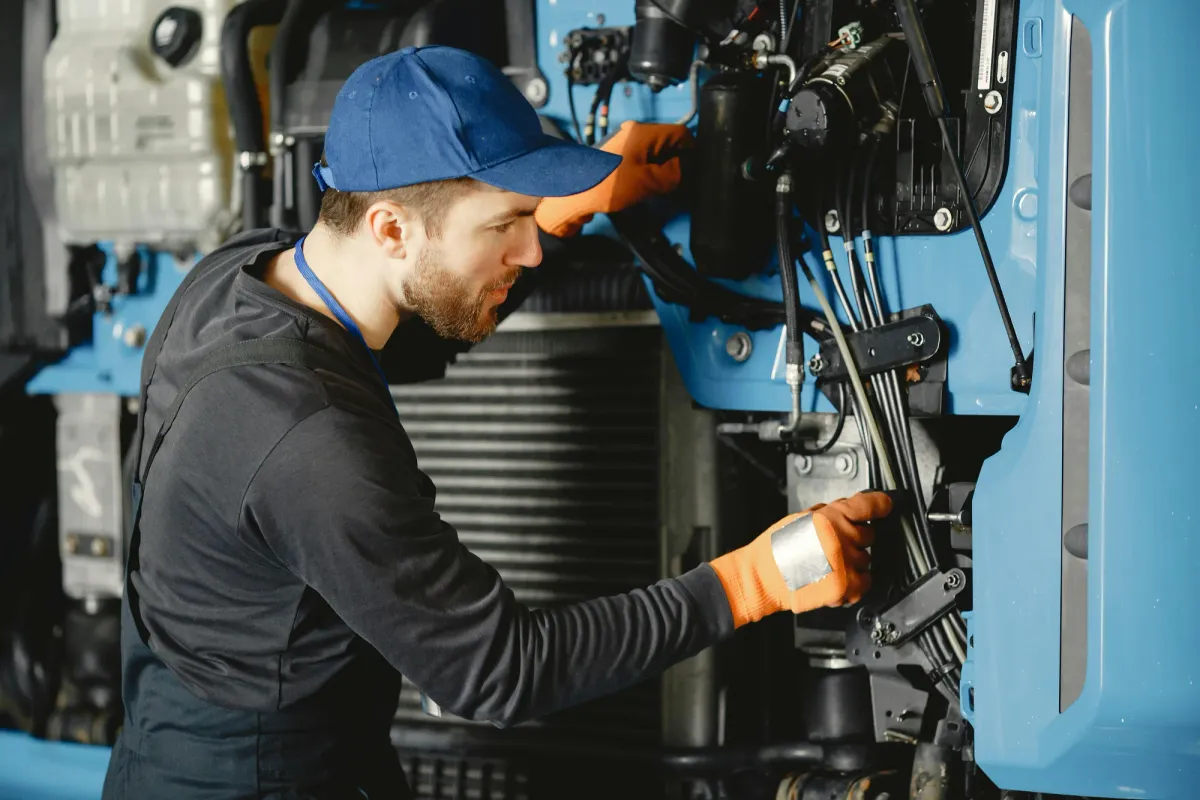
Creating a reliable preventive maintenance plan is essential for keeping facilities running efficiently and reducing unexpected breakdowns, helping to control long-term costs. But how do you prepare a preventive maintenance plan that works in real-world environments like schools and other shared public spaces?
Whether you're managing one building or a few hundred, understanding how to create a preventive maintenance plan helps you shift from reactive fixes to proactive, data-driven operations. In this guide, we'll walk through what planned preventive maintenance is, why it matters, and how to build a scalable maintenance strategy using modern tools like Facilitron Works.
What Is Preventive Maintenance?
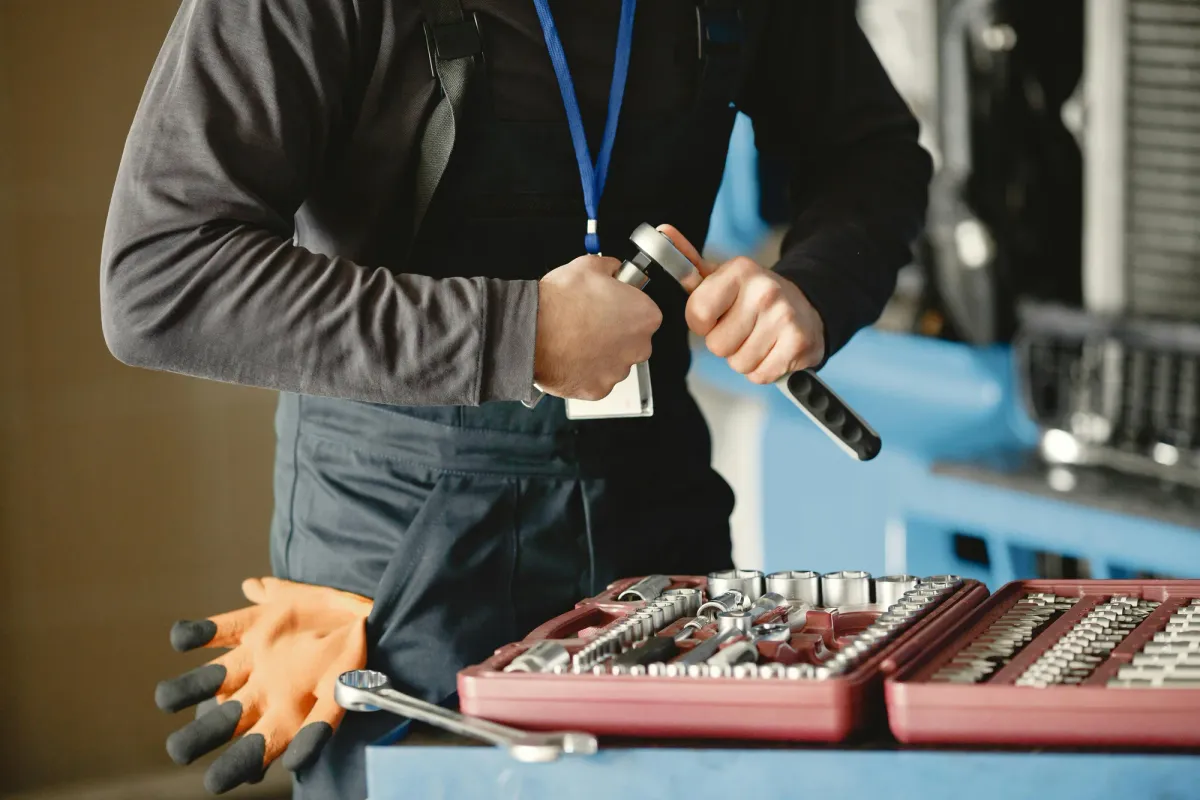
Preventive maintenance refers to the routine inspection, servicing, and upkeep of equipment and facilities to prevent failures before they occur. Unlike reactive maintenance, which focuses on fixing issues after breakdowns, planned preventive maintenance emphasizes scheduled tasks designed to maintain optimal performance.
For example:
- Inspecting HVAC systems before seasonal changes
- Regularly servicing athletic fields or gym flooring
- Conducting annual safety inspections for buildings and equipment
In facilities like schools, where usage is high and diverse, preventive maintenance becomes even more critical. Facilities are often shared by students, staff, and community users, making wear and tear more frequent and difficult to track without a structured system.
Why Preventive Maintenance Planning Matters
Without a structured maintenance plan, maintenance operations can quickly become inconsistent, leading to costly repairs down the road. A well-designed plan ensures facilities remain safe and operational, as well as financially sustainable in the long term.
Reduce Equipment Downtime
Routine maintenance helps identify issues early, minimizing disruptions to daily operations and scheduled events. Over time, this proactive approach also improves reliability across critical systems. For schools and shared facilities, where scheduling is tightly managed and space utilization is high, even small disruptions can create cascading issues. A preventive maintenance plan ensures consistent uptime and smoother day-to-day operations.
Extend Asset Lifespan
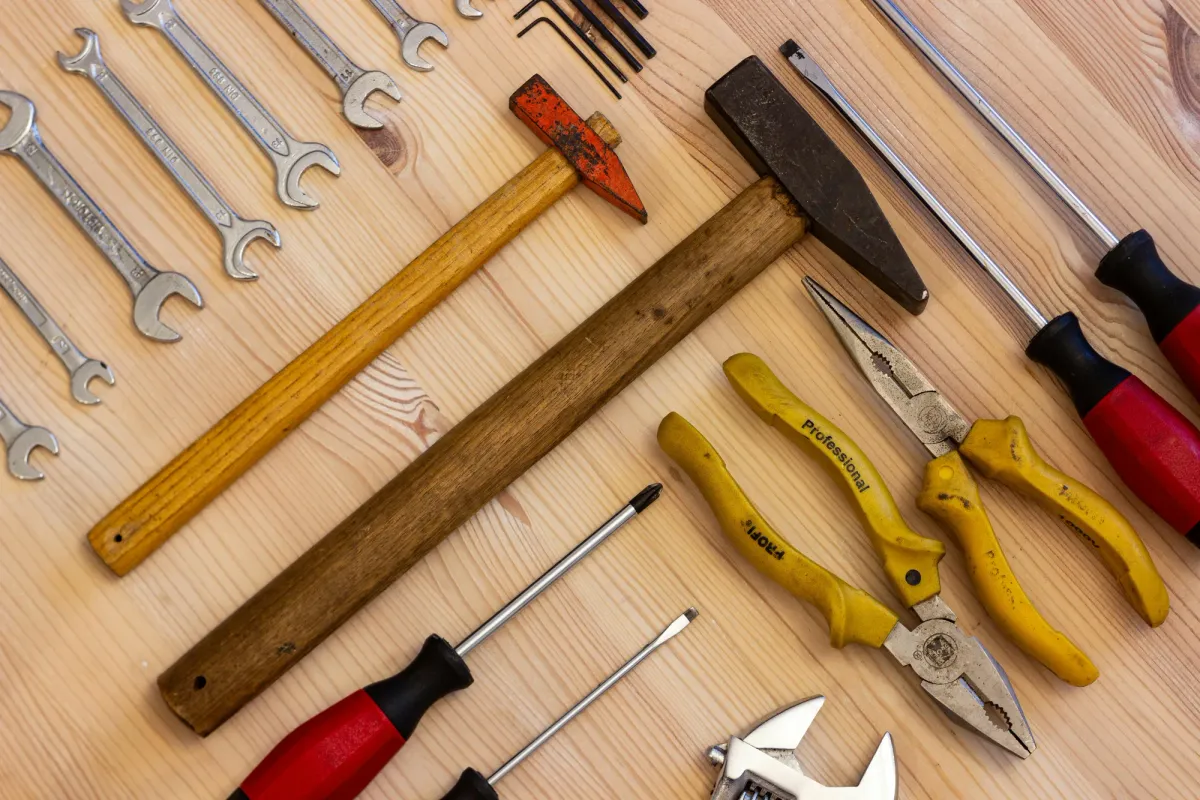
Regular servicing ensures equipment and infrastructure last longer, delaying costly replacements. Assets like HVAC systems and athletic surfaces perform more efficiently when they are maintained according to recommended maintenance schedules. Extending asset lifespan not only reduces capital expenditures but also helps facilities better plan for long-term investments. Instead of reacting to sudden failures, organizations can forecast replacement timelines and allocate budgets more strategically.
Lower Maintenance Costs
Preventing breakdowns is far more cost-effective than emergency repairs. A structured preventive maintenance plan helps shift spending from reactive to predictable, allowing facility managers to optimize budgets and reduce overtime and other labor costs.
Improve Safety and Compliance
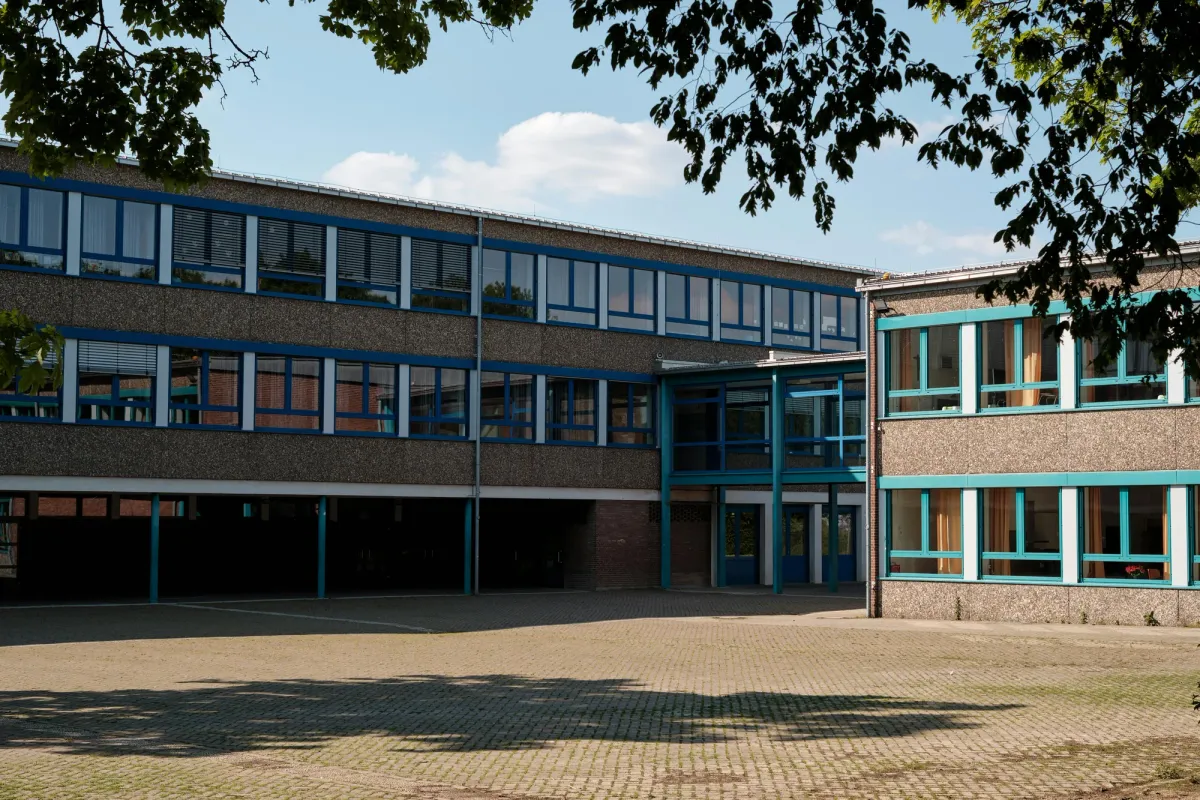
Consistent inspections reduce safety risks and help facilities meet regulatory standards. In environments like schools, where safety is a top priority, preventive maintenance plays a key role in protecting students, staff, and community members. Research and resources from organizations like the National Center on School Infrastructure (NCSI) highlight the importance of maintaining safe, well-functioning school facilities. It also helps organizations stay compliant with local, state, and federal regulations, reducing liability and avoiding potential fines or violations.
Enhance Operational Efficiency
With clear schedules and responsibilities, teams can operate more efficiently and avoid unnecessary delays. Preventive maintenance creates structure, ensuring that tasks are completed on time and resources are allocated effectively. Additionally, centralized tracking and scheduling tools provide visibility into ongoing work, helping teams coordinate better and reduce duplicate efforts.
For a deeper look at strategic planning, explore this guide on preventive maintenance strategy.
Step-by-Step Guide to Creating a Preventive Maintenance Plan
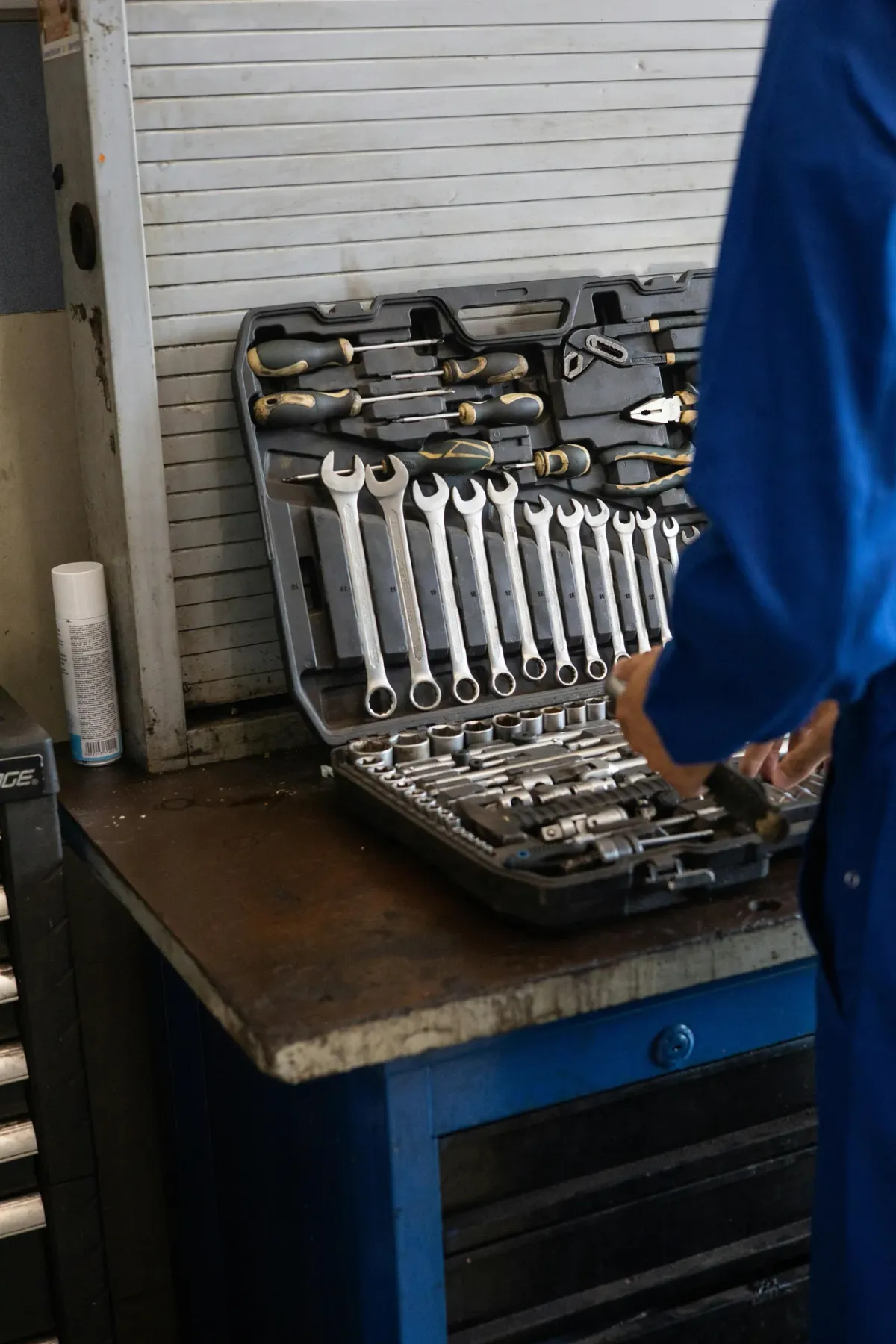
If you're wondering how to create a preventive maintenance plan, follow these actionable steps.
Inventory Your Assets and Equipment
Start by identifying all assets that require maintenance. This includes major systems like HVAC and electrical, as well as spaces that see a lot of foot traffic, like gyms, fields, and classrooms. A complete inventory ensures nothing is overlooked and provides the foundation for the rest of your maintenance plan.
Identify Maintenance Tasks and Requirements
Once your assets and all equipment are documented, determine what each one needs to remain in optimal condition. This may include routine inspections, servicing, cleaning, or part replacements depending on the type of asset. Manufacturer recommendations and historical performance data are especially useful for help with defining these requirements.
Set Maintenance Frequency and Priorities
Not all assets require the same level of attention. After identifying tasks, establish how often they should occur. Some equipment may require more frequent attention, while others can be serviced seasonally or annually.
Assign Responsibilities and Resources
Define who owns each task. Assign tasks to specific team members and ensure they have the resources needed to complete the work. This creates clarity of task ownership, which helps prevent missed work. Digital tools can help automate scheduling and send reminders to your team when it's time to perform specific maintenance tasks.
Create a Preventive Maintenance Schedule
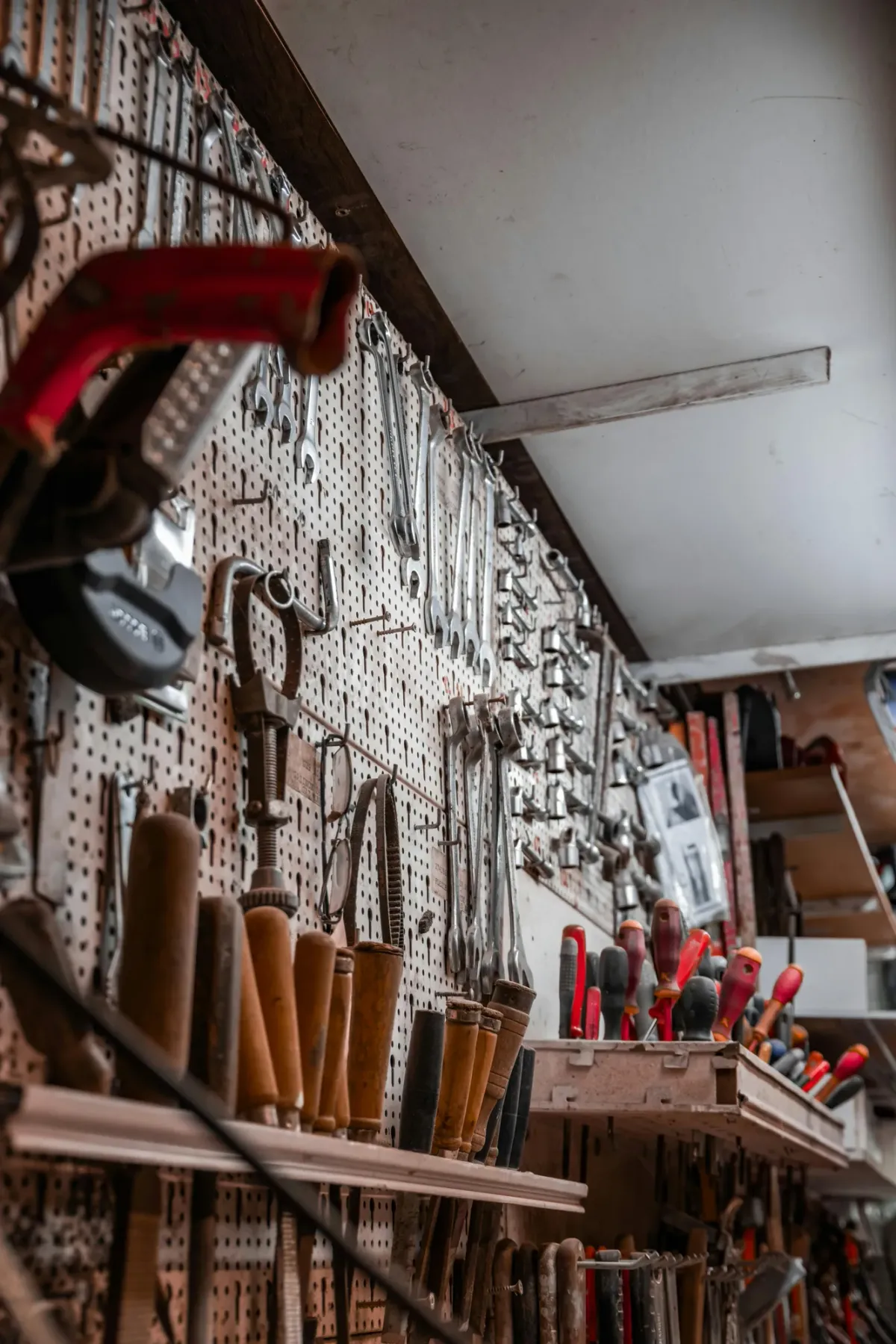
Align your schedule with actual facility usage and operational demands. High-use assets, like HVAC systems, require more frequent attention. Schedules should be adaptable to changes in usage frequency and factors like weather events or unexpected circumstances. A strong preventive maintenance schedule accounts for these variables while ensuring critical tasks are never missed.
Next, establish recurring intervals for all maintenance activities. Preventive maintenance schedules typically include a mix of time-based and usage-based tasks. Time-based scheduling may involve weekly, monthly, or seasonal maintenance, while usage-based scheduling is triggered by factors like hours of operation or number of events. Combining both approaches is essential when creating a preventive maintenance plan that is both comprehensive and reliable.
Document Procedures and Standard Operating Guidelines
Consistency across teams requires standardized procedures. Document step-by-step instructions, safety protocols, and any tools or other information required for each task. This documentation helps ensure that maintenance is performed correctly, regardless of who completes it.
Monitor, Review, and Adjust the Plan
Track performance metrics such as task completion rates and equipment downtime, and use that data to refine your approach. Over time, this will help you optimize your maintenance strategy and adapt to changing facility maintenance needs.
Why Preventive Maintenance Plans Sometimes Fail
Even well-intentioned plans can fall short without proper execution. These challenges are especially common in facilities with complex usage patterns, such as schools that support both internal and community activities.
Lack of Proper Planning
Incomplete asset inventories or unclear processes lead to gaps in maintenance. If facility maintenance teams don't have a full understanding of what needs to be maintained, critical systems can be overlooked entirely.
Inconsistent Scheduling
Manual systems often result in missed or delayed tasks. When maintenance schedules rely on informal tracking, such as spreadsheets, it becomes difficult to ensure consistency, especially across multiple facilities. Over time, these inconsistencies compound, leading to deferred maintenance and increased risk of failure. Automated scheduling tools help standardize processes and ensure that recurring tasks are completed reliably.
Poor Documentation and Tracking
Without centralized tracking, it's difficult to measure performance or identify issues. Teams may complete work, but without proper documentation, there's no visibility into the work that was done or related details. This lack of data makes it nearly impossible to optimize maintenance strategies. Centralized systems provide historical records, helping teams make informed decisions and continuously improve their approach.
Lack of Team Training or Accountability
Unclear roles or insufficient training can reduce effectiveness. When team members don't fully understand their responsibilities or how to perform tasks correctly, maintenance quality suffers. Establishing clear accountability and providing ongoing training ensures that everyone is aligned.
Failure to Monitor and Adjust the Plan
Without data insights, plans become outdated and ineffective. Facility maintenance needs evolve over time, and maintenance strategies need to adapt accordingly. Regularly reviewing performance metrics allows organizations to refine processes and make other adjustments as necessary. Continuous improvement is key to maintaining a plan that remains effective as usage patterns and facility demands change.
Tools and Technology to Support Preventive Maintenance
Implementing a successful preventive maintenance program becomes much easier with the right technology in place. While traditional methods like spreadsheets or manual tracking may work in the short term, they often fall short when scaling operations or maintaining consistency across multiple facilities.
Automated scheduling helps organizations standardize preventive maintenance schedules, ensuring recurring tasks are assigned and completed on time. Notifications and reminders keep teams accountable, while real-time updates provide transparency into task progress and completion rates.
Equally important is the ability to connect work orders with actual facility usage. In public spaces like schools, where spaces are used for both internal and community activities, maintenance needs are directly influenced by how facilities are used. Facilitron Works bridges this gap by integrating maintenance workflows with scheduling and reservations, allowing maintenance tasks to be triggered by reservation work orders.
Data and reporting capabilities also play a critical role in an effective preventive maintenance plan. Using performance metrics for things like equipment downtime, task completion rates, and maintenance costs, maintenance teams can make informed decisions, refine schedules, and improve long-term planning.
Conclusion

Understanding how to plan preventive maintenance is essential for maintaining safe, financially stable facilities. By inventorying assets and equipment, scheduling routine maintenance tasks, and leveraging technology, your organization can reduce downtime, extend asset lifespan, and improve overall facility maintenance operations.
A structured approach, combined with the right tools, turns maintenance from a reactive burden into a strategic advantage. Start using Facilitron today to streamline your preventive maintenance planning, reduce equipment downtime, and keep your facility running efficiently.
FAQ
How do I prioritize which equipment to include in the plan?
How often should preventive maintenance tasks be scheduled?
Can small teams implement a preventive maintenance plan effectively?
What metrics indicate a successful preventive maintenance program?
How can technology simplify preventive maintenance?
Continue Reading

Before the Bell Rings: Four Ways to Set Your Facility Use Program Up for Success This School Year
Four proactive steps for facility use teams to take before the busy season begins, from preparing your team to reviewing the renter experience, so your program runs smoothly all year.

Types of Maintenance Strategies: Comparison Guide
Compare preventive, predictive, reactive, corrective, routine, and proactive maintenance strategies to choose the right approach for your facility.