
A Complete Guide to
Preventive Maintenance Strategy
A comprehensive guide to preventive maintenance for organizations seeking to reduce costs, extend asset lifespans, and build proactive facility operations.

Introduction
Introduction to Preventive Maintenance
Preventive maintenance (PM) is a proactive strategy for maintaining the performance, reliability, and longevity of physical assets — whether in schools, municipal buildings, commercial properties, stadiums, or healthcare facilities.
Rather than waiting for things to break, preventive maintenance focuses on planning and executing routine care to avoid failures before they happen.
From air conditioners and fire systems to restrooms, elevators, and lighting, every facility relies on assets that wear down over time. The choice between preventive and reactive maintenance isn't just about operations — it's about cost, safety, and long-term sustainability. While reactive maintenance has its place in addressing urgent needs, relying on it exclusively leads to greater downtime, budget overruns, and avoidable safety risks.
Preventive maintenance is a foundational component of modern facility management. It supports smarter budgeting, enables compliance with health and safety regulations, and extends the useful life of equipment, ultimately reducing capital expenditure over time. For public sector operators — such as school districts, cities, and counties — it also means stewarding taxpayer-funded infrastructure more responsibly while improving transparency and accountability.
Key Takeaway
In this guide, we'll break down:
- What preventive maintenance is and how it works
- The difference between preventive, reactive, corrective, and predictive approaches
- How to build a preventive maintenance plan
- The cost-benefit breakdown and long-term ROI
- Special considerations for education
- How Facilitron supports smarter, more efficient maintenance operations
Let's dive into what makes preventive maintenance one of the smartest strategies in facility management today.
What is Preventive Maintenance?
Preventive maintenance (PM) is the practice of regularly inspecting, servicing, and maintaining equipment and infrastructure before issues arise. It's about acting on a schedule rather than a symptom.
By taking a proactive, planned approach, preventive maintenance helps ensure that systems operate reliably and efficiently across their expected lifespans. This strategy applies to any organization with physical assets: schools, hospitals, government buildings, sports complexes, performing arts centers, and more.
What Does Preventive Maintenance Include?
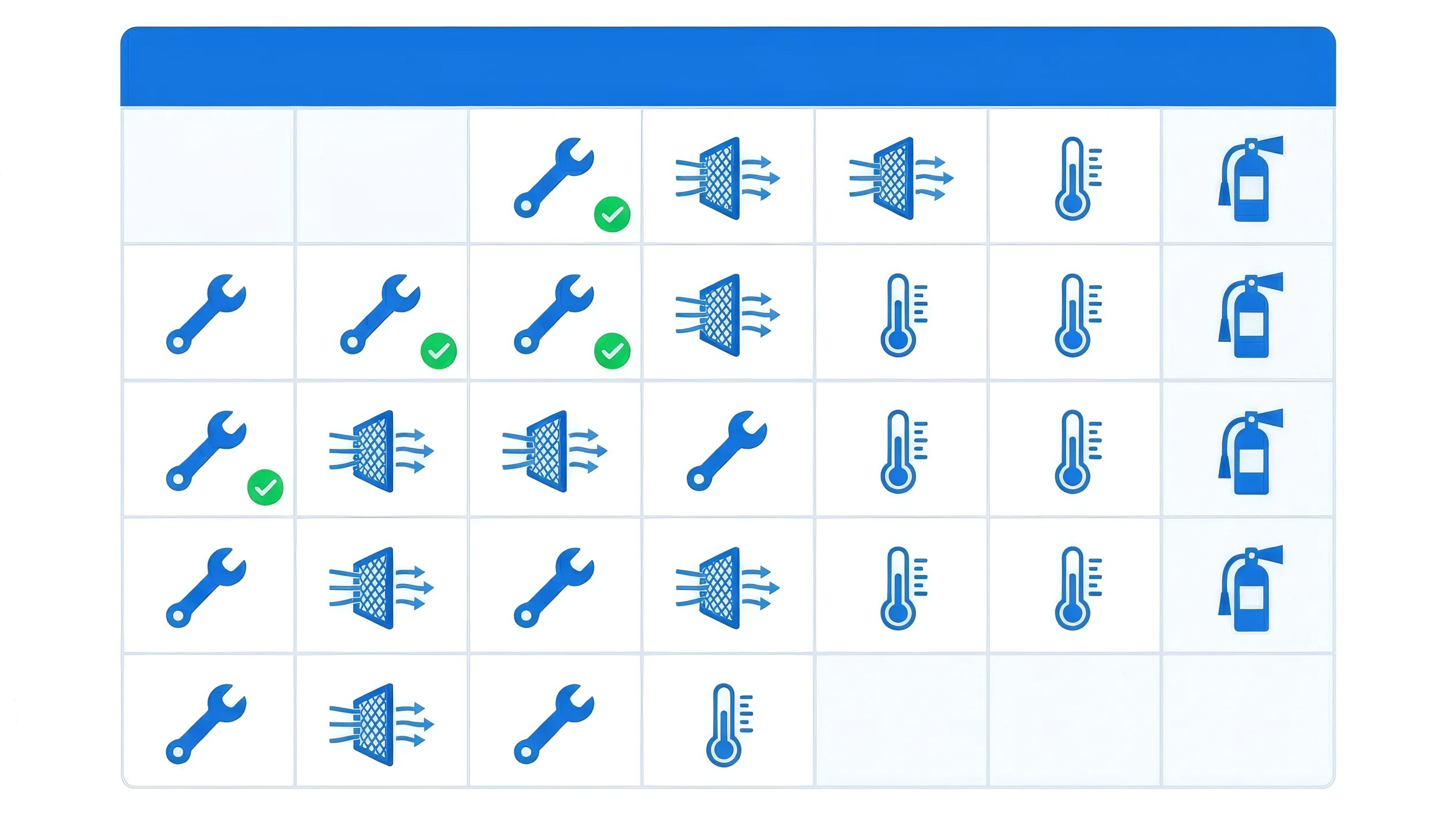
A typical preventive maintenance plan can cover dozens — or even hundreds — of recurring tasks, such as:
- Routine inspections
- Filter changes, lubrication, and cleaning
- Component replacements (e.g., belts, gaskets, filters)
- Seasonal system tune-ups (e.g., HVAC before summer/winter)
- Safety system checks (e.g., fire alarms, sprinklers)
- Compliance-related tasks (e.g., accessibility inspections)
These tasks are usually based on manufacturer recommendations, local regulations, or past failure patterns.
For example, air filters in HVAC systems should be changed quarterly to meet ASHRAE air quality standards. Elevator systems may require monthly or quarterly inspections to maintain safety certifications. Ignoring these standards can lead to reduced efficiency, sudden equipment failure, and compliance violations.
How Does Preventive Maintenance Compare to Other Approaches?
Not all maintenance is the same. Here's how preventive maintenance compares:
| Maintenance Type | Description |
|---|---|
| Reactive | Fixing things after they break; costly and disruptive |
| Corrective | Fixing known issues before they escalate; still unplanned |
| Preventive (PM) | Planned service at regular intervals to avoid failure |
| Predictive | Uses data or sensors to forecast issues before they occur |
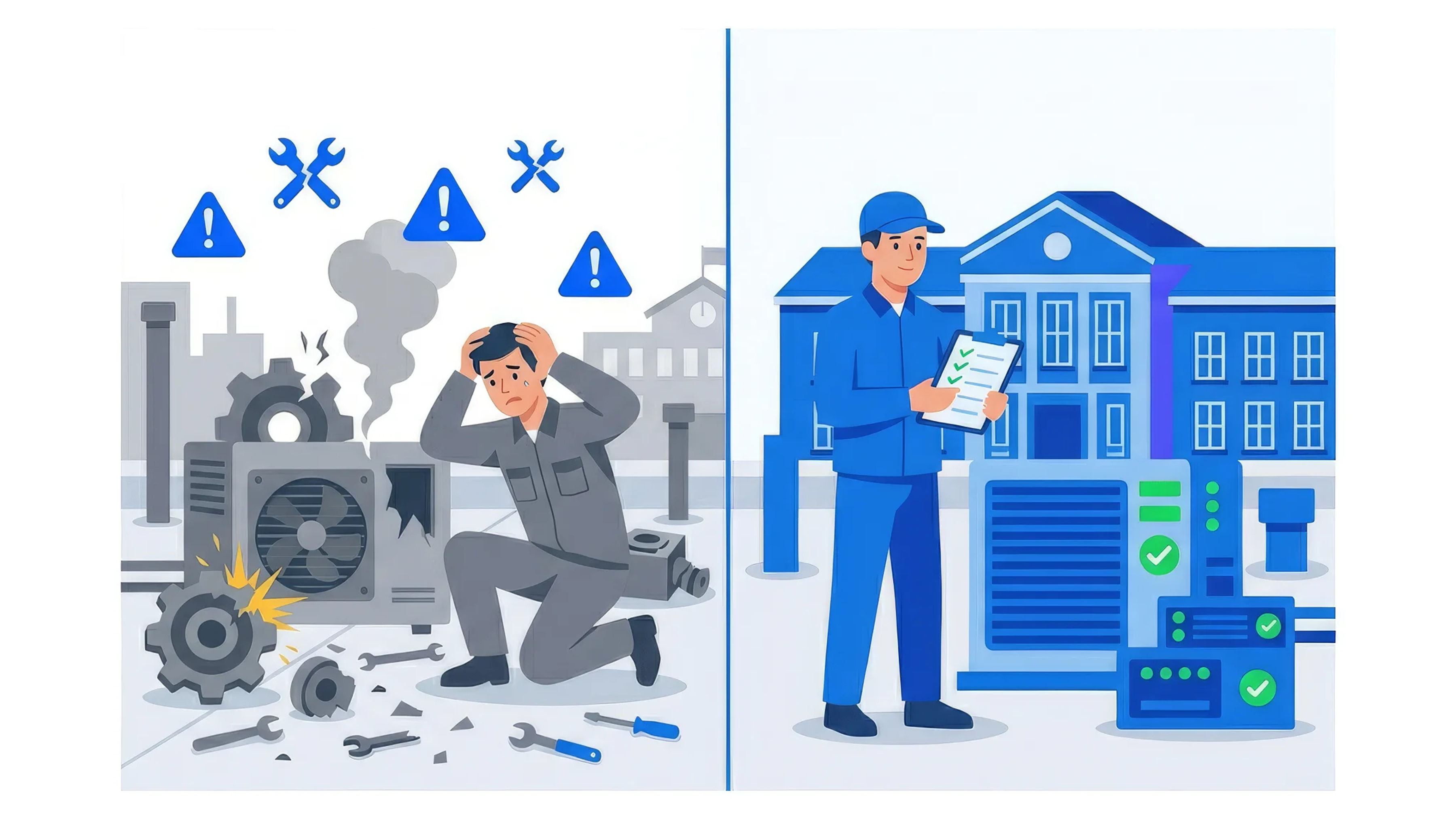
While reactive maintenance may seem more affordable in the short term, it often leads to emergency repair costs, overtime labor, lost productivity, and even liability risks. Preventive maintenance reduces these costs by catching issues early or avoiding them entirely.
Common Myths and Misconceptions
Even though the benefits of preventive maintenance are well-documented, many organizations hesitate to invest in it. Let's clear up a few myths:
- "Preventive maintenance is too expensive."
In reality, preventive maintenance reduces long-term costs by minimizing major breakdowns and emergency work. - "We're too small to need a maintenance strategy."
Whether you manage multiple school campuses or a single community center, recurring maintenance saves time and resources. - "Our team already fixes things quickly."
Speedy responses are valuable, but the goal should be to prevent breakdowns — not just respond to them.
Preventive maintenance isn't about fixing — it's about planning. And when done right, it transforms maintenance teams from firefighters into strategic operators.
What Are the Benefits of Preventive Maintenance?
The benefits of preventive maintenance include lower repair costs, extended equipment lifespan, improved safety compliance, reduced downtime, and more predictable budgeting.
Preventive maintenance is a long-term strategy that supports efficiency, safety, and sustainability across all types of organizations. By consistently addressing small issues before they escalate, preventive maintenance empowers facility teams to reduce emergencies, extend equipment life, and ensure smoother day-to-day operations. Preventive maintenance also supports public trust, especially when tied to transparent reporting and responsible budget use.
Cost Savings
Avoids costly emergency repairs, reduces overtime labor, lowers energy bills, and prevents asset failure that triggers large capital expenditures.
Extended Asset Lifespan
Routine tasks like lubrication, inspections, and filter changes reduce wear and tear — postponing the need for expensive replacements.
Improved Safety & Compliance
Ensures safety-critical systems are always in working order, reducing liability and meeting fire safety, air quality, and accessibility codes.
Operational Efficiency
Predictable schedules allow better staff planning, balanced workloads, and improved response times — replacing crisis mode with strategic work.
Benefits for Schools & Public Facilities
Minimizes disruptions to classes, supports healthy indoor environments, and ensures building readiness for peak seasons and events.
What Is the Difference Between Preventive and Reactive Maintenance?
The main difference between preventive and reactive maintenance is that preventive maintenance is scheduled before failure, while reactive maintenance occurs after equipment breaks down. Every organization relies on a combination of reactive and preventive maintenance.
A balanced strategy includes both, but leaning too heavily on reactive maintenance leads to higher costs, stress, and risk. Prioritizing preventive maintenance helps facilities operate more predictably and efficiently.
| Factor | Reactive Maintenance | Preventive Maintenance |
|---|---|---|
| Timing | After failure | Before failure |
| Cost | Higher and unpredictable | Lower and controlled |
| Safety Risk | Higher risk of accidents or non-compliance | Lower risk |
| Downtime | Disruptive | Planned |
| Asset Lifespan | Shortened due to misuse | Extended with regular care |
| Budgeting | Hard to forecast | Easier to plan and allocate resources |
| Stress Level | High | Low |
When Reactive Maintenance Makes Sense
Some issues can't be predicted, and reactive maintenance is the right response in emergencies or when failure is truly rare. It's often used for:
- Minor repairs (light bulbs, door handles)
- Low-cost, low-risk assets
- Unforeseen system failures
Why Preventive Maintenance Pays Off
Preventive maintenance transforms facility operations from reactive firefighting into a strategic, proactive model. It enables:
- Data-informed decision-making
- Scheduled labor and parts use
- Greater confidence in compliance and safety
It's not about eliminating reactive work. It's about reducing how often it occurs and how costly it becomes.
"Preventive maintenance isn't about fixing — it's about planning. And when done right, it transforms maintenance teams from firefighters into strategic operators."
Preventive Maintenance Insight
Industry Perspective
How Can You Implement a Preventive Maintenance Strategy?
You can implement a preventive maintenance strategy by inventorying assets, prioritizing critical systems, creating scheduled maintenance plans, and using a CMMS to automate tracking and execution.
Assess and Inventory Your Assets
Create a comprehensive inventory of all assets and systems that require upkeep — HVAC units, plumbing, electrical systems, vehicles, elevators, security systems, and specialty items. Assess each asset's age, condition, and usage patterns to determine where to focus first.
Prioritize Based on Risk and Impact
Focus first on systems that are critical to safety or compliance, high usage or high cost to replace, and seasonally sensitive. For schools, this might mean targeting HVAC systems before summer and restrooms before the academic year begins.
Develop Your Maintenance Schedule
Use manufacturer guidelines, historical maintenance data, seasonal occupancy cycles, and known failure trends to determine frequency and timing. Map out tasks by week, month, quarter, or year.
Use a CMMS to Automate and Track
A Computerized Maintenance Management System (CMMS) like Facilitron Works helps schedule recurring work orders, assign tasks, track completions, flag delays, and monitor asset history in one centralized system.
Train Maintenance and Operations Staff
Ensure everyone knows how to access and follow digital preventive maintenance checklists and use mobile tools to log completions and notes. For schools and public agencies, involve custodial, grounds, and site-based teams in the rollout.
Engage Stakeholders
Communicate the value of preventive maintenance to administrators, finance teams, and community or board members. In schools, align maintenance windows with academic calendars to reduce disruption.
Monitor Progress with KPIs
Use dashboards and reports to track preventive maintenance task completion rates, asset downtime, cost trends vs. prior years, and staff performance. This allows teams to refine schedules, identify gaps, and demonstrate ROI over time.
What Is the ROI of Preventive Maintenance?
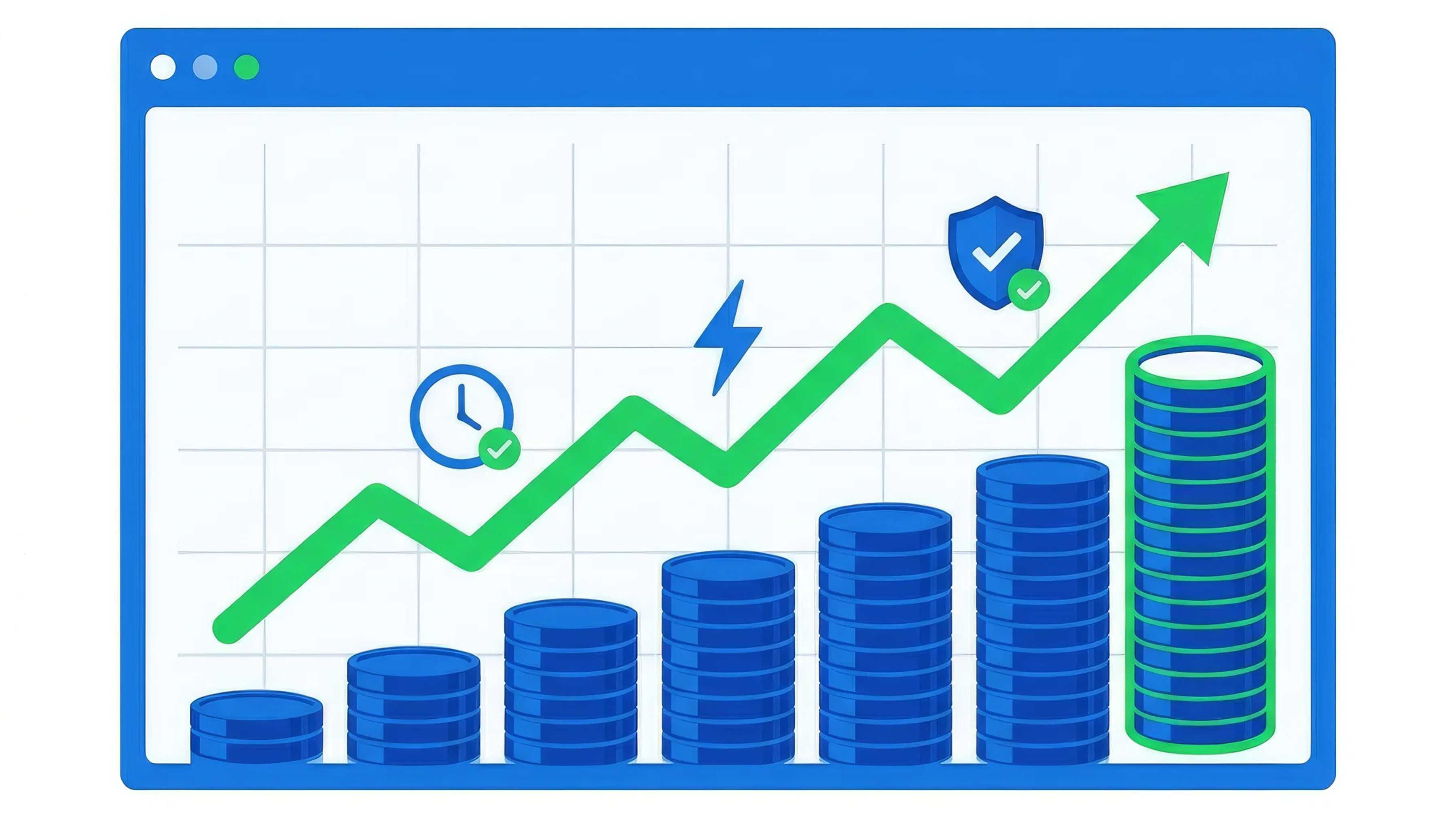
The ROI of preventive maintenance comes from reduced emergency repair costs, deferred capital replacements, improved efficiency, and fewer operational disruptions over time.
While launching a preventive maintenance strategy involves upfront time and resource investment, the long-term benefits far outweigh the initial expense.
Initial Costs
Every organization will have unique startup expenses depending on size, facility type, and current systems. Common costs include:
- Labor hours to inspect and service assets
- Replacement parts and materials (e.g., filters, belts, gaskets)
- Software or CMMS adoption for scheduling and tracking
- Training staff on procedures, mobile apps, and reporting
Long-Term Returns
Preventive maintenance delivers returns in multiple areas:
Deferred Replacements
Well-maintained assets last longer, delaying costly purchases.
Fewer Disruptions
Fewer emergencies mean less downtime, missed revenue, or displaced users.
Reduced Risk
Avoiding breakdowns reduces liability, code violations, and insurance claims.
Improved Planning
Predictable maintenance enables smarter budgeting and resource allocation.
Preventive maintenance isn't about doing more — it's about doing things smarter. Over time, it pays for itself through fewer emergencies, fewer replacements, and better-managed facilities.
Preventive Maintenance in Education
Preventive maintenance is especially important in schools because high daily usage, limited budgets, and strict safety regulations require proactive facility management.
High Usage
Classrooms, cafeterias, gyms, restrooms, and playgrounds are in near-constant use during the school year. This accelerates wear and tear, making consistent upkeep essential.
Seasonal Maintenance Windows
Summer and winter breaks offer a slim window to complete major repairs, upgrades, and inspections without disrupting learning.
Limited Budgets
Many districts operate under strict general fund constraints. Preventive maintenance is often the first area cut, leading to higher long-term costs due to premature equipment failure.
Safety and Compliance
School environments require regular inspections of fire alarms, HVAC, security systems, and accessibility features. Preventive maintenance ensures compliance while minimizing legal and health risks.
Operational Efficiency
Facilities teams in education are often lean. Automating and scheduling preventive maintenance tasks helps maximize their capacity.
Workforce Strategies
Many districts tap 10-month employees during summer months to assist with basic preventive maintenance tasks — avoiding costly overtime for 12-month staff.
Best Practices for K-12 and Higher Ed
Track asset health across campuses using a fixed asset management tool.
Use recurring work orders to automate HVAC filter changes, elevator inspections, playground surfacing checks, and more.
Create seasonal preventive maintenance schedules that align with academic calendars.
Integrate preventive maintenance tasks with support service workflows tied to facility rentals or community events.
Top 5 School Preventive Maintenance Priorities
- 1
Plan for the summer surge to take full advantage of low-occupancy windows.
- 2
Leverage 10-month staff during breaks to avoid costly overtime for 12-month employees.
- 3
Automate recurring tasks with scheduled work orders using a CMMS like Facilitron.
- 4
Align preventive maintenance strategy with the academic calendar to minimize classroom disruption and maximize efficiency.
- 5
Track KPIs and report progress to show improvements and inform budgets using a preventive maintenance system.
The Complete Solution
How Does Facilitron Support Preventive Maintenance?
Facilitron's facility management software is built to help organizations proactively manage assets, work orders, and recurring tasks — making preventive maintenance easier and smarter.
Whether you're a school district, a city, or a private facility operator, Facilitron Works offers the tools you need to plan, schedule, and track preventive maintenance with confidence.
Facilitron Works
Automate recurring work orders, assign tasks, track completions, and monitor asset history — all in one centralized CMMS with mobile-first task execution.
Adaptable to Your Organization
While Facilitron is a proven leader in school preventive maintenance, the platform is fully adaptable for cities, counties, parks departments, stadiums, event centers, libraries, and higher education institutions.
Features That Make Preventive Maintenance Work
Recurring Work Orders — Automate HVAC filter changes, safety inspections, lighting checks, and more.
Mobile-First Task Execution — Assign tasks, complete work orders, and log results from a mobile device.
Integrated Asset Management — Track equipment age, maintenance history, and replacement plans.
Support Services Integration — Connect maintenance tasks to facility events, rentals, and community programs.
Real-Time Dashboards — Monitor backlogs, KPIs, work completion rates, and recurring maintenance status.
The Future of Preventive Maintenance
Preventive maintenance is evolving from scheduled checklists to intelligent systems that anticipate issues before they occur. As facility management embraces digital transformation, organizations are moving toward predictive and AI-enhanced strategies.
Predictive Maintenance
Using sensors and usage data, organizations can monitor equipment conditions in real-time and act before failures happen. This helps reduce downtime and extend asset life even further.
AI-Driven Recommendations
Tools like Facilitron's Tron AI are paving the way for faster troubleshooting, auto-generated task lists, and data-backed decisions.
Example: Tron.ai
Facilitron's AI assistant built directly into its CMMS helps users navigate the system, answer work order questions, manage schedules, and troubleshoot common issues in real time. As AI tools like Tron.ai evolve, they're becoming essential components of modernized facility management.
Integrated Facility Platforms
Maintenance is no longer a silo. Expect deeper connections between work orders, event scheduling, energy management, and capital planning — creating a full picture of operations.
Smart Campus Strategies
Especially in education and public infrastructure, the goal is clear: smarter, more responsive campuses that support safety and sustainability. Facilitron is actively evolving to meet this future — with developments in AI support, smart search, and seamless mobile workflows.
Make Maintenance Smarter
Discover how Facilitron Works can help your organization build a proactive maintenance program that reduces costs, improves safety, and streamlines operations.
Frequently Asked Questions
What is preventive maintenance?
What are the benefits of preventive maintenance?
What is the difference between preventive and reactive maintenance?
How do you implement a preventive maintenance strategy?
What is the ROI of preventive maintenance?
Why is preventive maintenance important in schools?
Conclusion
Preventive maintenance is a strategic lever for operational excellence. Whether you're managing a single facility or an entire district, the right preventive maintenance approach helps you stay ahead of failures, protect property, and create more reliable spaces.
Whether you're managing one building or a district-wide portfolio, prioritizing preventive maintenance pays off in reliability, savings, and long-term sustainability.
With Facilitron Works, it's never been easier to build a more proactive maintenance program:
- Cutting long-term costs and emergency repairs
- Increasing safety and regulatory compliance
- Streamlining operations with smart scheduling and automation
- Building confidence with staff, administrators, and your community
See What Happens When Things Just Work
Schedule a demo today and see how Facilitron Works fits your organization's needs — now and into the future.