

Managing school operations effectively is essential for ensuring that schools run safely and efficiently. From coordinating daily activities to maintaining facilities and managing resources, strong education operations play a critical role in supporting success for students and staff.
As schools grow more complex, understanding the scope of school management becomes increasingly important. Administrators must balance academic priorities with operational demands, all while maintaining safe, functional environments. In this guide, we'll break down what school operations management is, explore its key components, and provide practical strategies to help improve efficiency across your organization.
What Is School Operations Management?
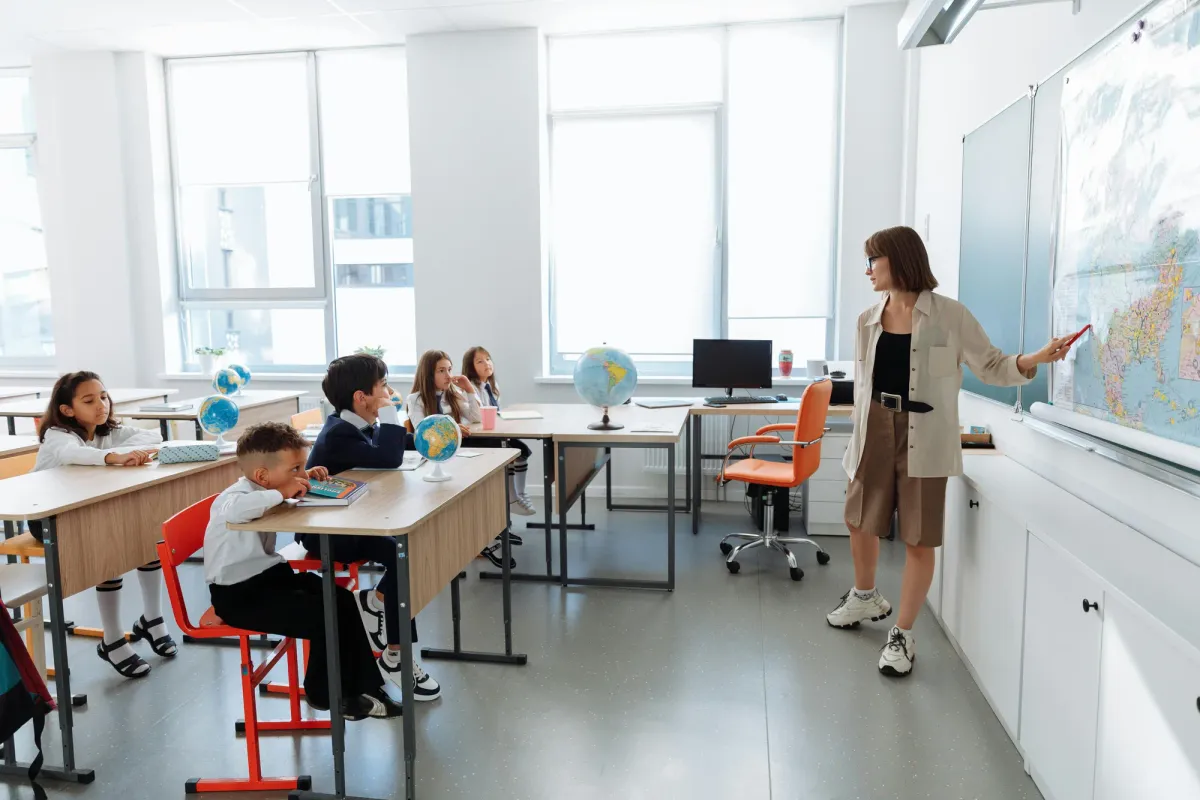
School operations management refers to the processes and systems used to manage the day-to-day functioning of a school or district. This includes everything from facility maintenance and scheduling to staffing, budgeting, and ensuring compliance with local and federal regulations.
At its core, education operations ensure that all non-instructional aspects of a school are running efficiently so educators can focus on teaching and learning. Effective school operations create the foundation for a productive learning environment by ensuring that facilities and other resources are properly managed. Industry organizations such as the International Facility Management Association (IFMA) and National School Plant Management Association offer frameworks and guidance that support these practices.
Scope of School Management

The scope of school management extends far beyond the classroom. It includes a wide range of responsibilities that support both academic success and operational efficiency.
Academic and Administrative Operations
This includes managing student records, scheduling classes, coordinating academic programs, and supporting administrative workflows. Efficient coordination in this area helps prevent scheduling conflicts and reduces administrative bottlenecks to ensure smoother day-to-day school operations.
Facility and Infrastructure Management
Maintaining buildings, grounds, and equipment is a critical part of school operations. This includes handling work orders for repairs, scheduling regular maintenance for systems like HVAC and electrical, and ensuring spaces are safe for daily use. For best practices, explore this guide on School Facility Management.
Staff and Resource Management
Effective operations require coordinating schedules for teachers, custodial staff, maintenance teams, and administrative personnel while ensuring adequate coverage across all functions. This includes assigning responsibilities and adjusting staffing based on changing needs.
In addition to staffing, resource management involves ensuring that teams have the tools, equipment, and materials needed to perform their jobs effectively. Without proper coordination, schools can face delays in maintenance, miscommunication between departments, or inefficient use of staff time. Centralized scheduling helps with clear visibility of resource usage and allocation, and is essential for keeping operations running smoothly.
Financial and Budget Management
Schools must plan for both fixed and variable expenses, including salaries, utilities, maintenance costs, and technology investments. This often requires balancing short-term operational needs, like emergency repairs or staffing gaps, with long-term priorities such as capital improvements and system upgrades.
In many cases, limited budgets force administrators to prioritize critical needs over preventative investments, which can lead to higher costs over time. Accurate forecasting, cost tracking, and aligning budgets with operational data are essential for making informed decisions and ensuring resources are used as efficiently as possible.
Safety and Compliance Management
Safety and compliance management involves maintaining up-to-date safety protocols, conducting routine inspections of buildings and equipment, and addressing potential hazards before they become serious issues. This includes managing emergency preparedness plans, such as evacuation procedures and lockdown protocols. Successful safety and compliance management also ensures full compliance with local, state, and federal regulations. Other responsibilities include monitoring building safety systems like fire and security systems.
What Is School Facility Management?
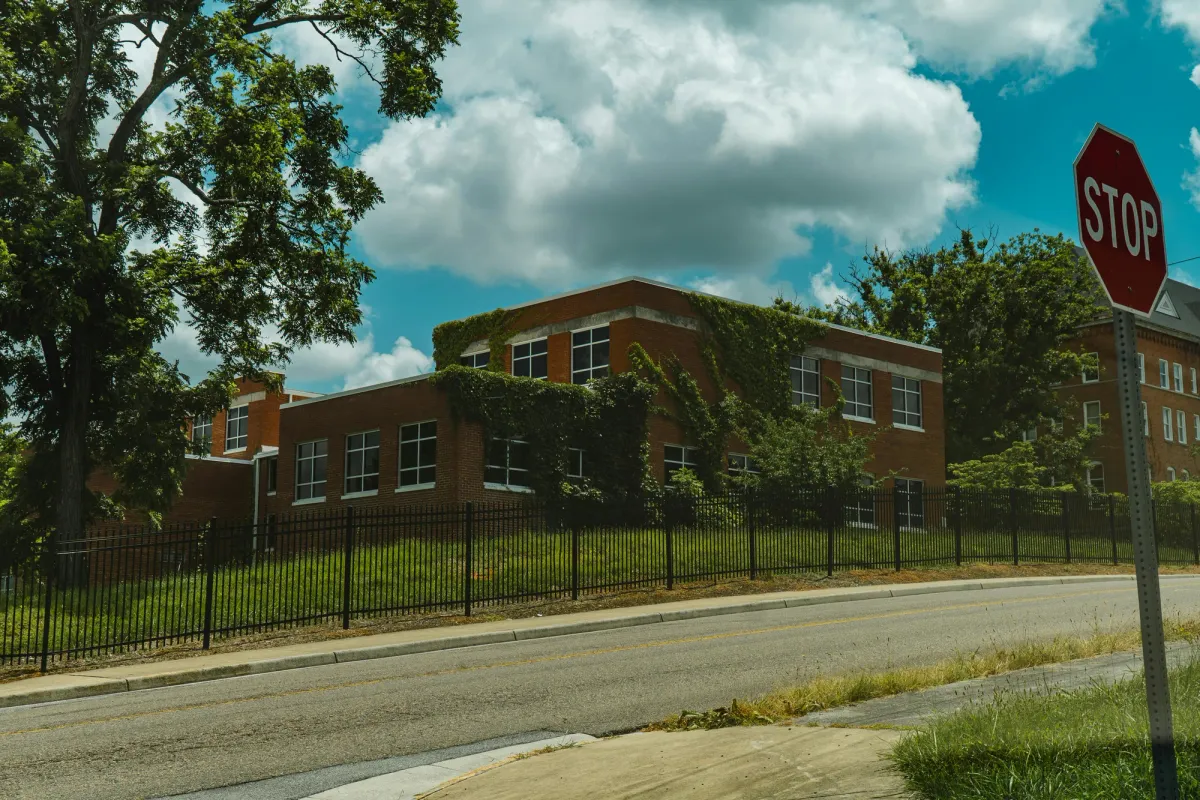
Managing infrastructure and physical assets is a central responsibility within school facility management. This includes monitoring building conditions, maintaining systems like HVAC and electrical, and ensuring that spaces are properly prepared for daily use and scheduled activities.
Facility management also involves planning maintenance based on usage and monitoring the performance of building systems. Strong facility management plays a direct role in overall school operations by improving reliability and helping administrators make better decisions about resource allocation. For recent trends and updates, see our school facilities maintenance news.
Key Components of School Operations

Effective school operations rely on several core components working together seamlessly.
Maintenance and Asset Management
This includes tracking equipment and other assets and monitoring their condition over time. Without a structured approach, small issues can escalate into larger, more costly problems that impact both learning environments and overall operations.
Scheduling and Space Utilization
Efficient scheduling ensures shared spaces are used without conflict. This involves coordinating academic schedules alongside extracurricular activities, community use, and maintenance needs. When scheduling is not centralized, double bookings and gaps in usage often occur. Tools like Facilitron S&R help streamline this process and improve visibility, helping administrators allocate space effectively and adjust schedules as needs change.
Communication and Coordination
Delays often occur when there isn't an established communication process, or if existing processes aren't consistently enforced. Clear communication amongst school staff helps ensure that everyone has access to the same information, reducing confusion and improving overall school operations.
Technology and Systems Integration
Schools now rely on multiple systems to manage operations, including facility scheduling and work order management systems. If these tools aren't connected to each other, things can get missed, or duplicate schedules or work orders can be created, leading to inefficiency and confusion. Integrated tools allow information to easily flow between departments. For example, connecting scheduling systems with maintenance workflows ensures that facility teams are aware of upcoming events and can prepare spaces accordingly.
Performance Monitoring and Reporting
Tracking operational data gives schools a way to measure performance and identify areas that need improvement. This includes monitoring metrics such as maintenance response times and facility usage rates to understand current operating costs. With access to accurate data, administrators can make informed decisions about resource allocation and prioritize projects effectively.
Benefits of Effective School Operations Management

Strong school operations management delivers the following benefits:
Improved Operational Efficiency
Streamlined processes reduce delays and ensure that tasks are completed on time. When systems are centralized and workflows are clearly defined, staff can focus less on manual coordination and more on executing priorities efficiently. As operations become more organized and data-driven, schools can dedicate more time and resources toward supporting learning, improving facilities, and serving their communities effectively.
Cost Savings and Resource Optimization
Efficient use of resources helps schools reduce waste and better control operational costs. Clear visibility into usage and expenses helps districts make informed decisions regarding staffing and facility scheduling. Data-driven operational planning also helps districts identify underutilized spaces, preventing unnecessary expenditures and maximizing the value of existing facilities. Over time, stronger resource optimization can reduce maintenance costs and improve long-term budgeting accuracy, creating a strong foundation for long-term operational sustainability.
Enhanced Safety and Compliance
Clear processes and regular oversight help ensure that safety standards and compliance requirements are consistently met. Schools can reduce risk and respond more effectively to audits or incidents when documentation and tracking procedures are in place and regularly followed. Consistent operational oversight also improves emergency preparedness by ensuring that procedures, access controls, inspections, and maintenance activities are documented and routinely updated.

Better Communication and Collaboration
Improved coordination between teams leads to smoother workflows and fewer disruptions. Having a shared system of record brings transparency and fosters smoother communication between departments. When staff members have access to centralized information and shared workflows, collaboration becomes more consistent, accountability improves, and decision-making is better aligned across the organization.
Data-Driven Decision Making
Access to real-time data enables administrators to make informed decisions and plan effectively. With better insights into operations and usage trends, schools can continuously improve performance and long-term strategy. Detailed operational data also helps schools identify patterns in facility usage, staffing demands, maintenance costs, and community engagement over time. With centralized reporting and performance tracking, districts can evaluate the effectiveness of policies, forecast future needs more accurately, and make strategic investments that improve both operational efficiency and long-term sustainability.
Common Challenges in School Operations

Despite best efforts, many schools face the following challenges in managing operations effectively:
Budget Constraints
Limited funding makes it difficult to address all operational and maintenance needs. Schools often have to prioritize immediate issues over long-term improvements, which can lead to deferred maintenance and higher costs over time.
Aging Infrastructure
Older buildings frequently require ongoing repairs and safety compliance updates, placing additional strain on already limited resources. These aging facilities can also impact energy efficiency as well as staff and student safety if not properly maintained.
Staffing Limitations
Schools may lack sufficient staff to manage all operational responsibilities effectively, especially as demands continue to grow. If disconnected processes are still in place, this can result in overextended teams, which can lead to slower response times.
Inefficient Processes
Manual workflows and disconnected systems often lead to inefficiencies and miscommunication across departments. Without standardized processes, tasks like scheduling, maintenance coordination, and approvals can become time-consuming.
Lack of Technology Adoption
Without modern tools, schools struggle to streamline operations and gain visibility into performance. The absence of centralized systems limits data access, making it harder for administrators to track usage and identify trends, making it difficult to make informed decisions.
Best Practices for Managing School Operations

Improving school operations is a team effort that requires strategy and consistency. Start by taking these steps.
Implement Preventive Maintenance Plans
Regular maintenance helps prevent costly breakdowns and ensures facilities remain in good condition. Schools can extend asset lifespans and minimize disruptions to daily operations by proactively addressing issues before they escalate.
Optimize Scheduling and Space Usage
Efficient scheduling maximizes the use of available spaces and reduces potential for facility use conflicts. Better visibility into availability helps schools better coordinate facility use schedules for school and community events throughout the year.
Use Facility Management Software
Digital tools help automate processes and improve coordination across teams. A centralized platform like Facilitron S&R also provides real-time visibility into operations, helping administrators manage facility use requests and surrounding communications more efficiently.
Establish Clear Workflows and Processes
Defined procedures ensure consistency and reduce confusion among staff. Standardized workflows make it easier to manage approvals, confirm responsibilities, and maintain accountability across departments.
Track Performance and KPIs
Monitoring key performance indicators helps schools identify and resolve inefficiencies over time. Access to reliable data also helps administrators make informed decisions and successfully refine their operational strategies.
Conclusion
Effective school operations management is essential for creating optimal learning environments for students and the community. Understanding the full scope of school management and implementing best practices, from maintenance planning to technology adoption, gives schools a clear path for improving performance and better supporting students and staff, as well as the broader local community.
As operational demands continue to grow, adopting modern tools and structured processes becomes increasingly important for long-term success. Start using Facilitron today to streamline your school operations and improve efficiency across your facilities.
FAQ
What is school operations management?
What is the scope of school management?
What is school facility management?
Why are school operations important?
How can schools improve their operations?
Continue Reading

Before the Bell Rings: Four Ways to Set Your Facility Use Program Up for Success This School Year
Four proactive steps for facility use teams to take before the busy season begins, from preparing your team to reviewing the renter experience, so your program runs smoothly all year.

Types of Maintenance Strategies: Comparison Guide
Compare preventive, predictive, reactive, corrective, routine, and proactive maintenance strategies to choose the right approach for your facility.